


Understanding PUBG Mobile WOW 1.0 Creative Mode
What is WOW 1.0
Here’s the thing about World of Wonder 1.0 – it’s not just another sandbox mode collecting digital dust. this evolution from PUBG Mobile’s experimental playground into a developer-backed training ecosystem actually delivers on its promises. We’re talking cinematic design quality, buttery-smooth performance, and progression systems that translate directly to Battle Royale improvement.
No more janky community maps that crash every five minutes.
For serious training potential, you’ll need sufficient UC for premium features. Buy UC for PUBG Mobile through BitTopup – they’ve got instant delivery and competitive pricing that won’t break the bank. Their secure payment system and round-the-clock customer support mean you won’t get locked out of training content when you need it most.
Key Features and Tools
Train Escort stands out as the crown jewel here. This developer-crafted 4-player PvE mission throws your squad into defending a moving train through three increasingly chaotic stages. You start with 100 tokens to grab weapons from vending machines, earning more by taking down waves of undead nasties – zombies, mutant sprinters, suicide bombers, and those annoying shielded variants that soak up half your ammo.
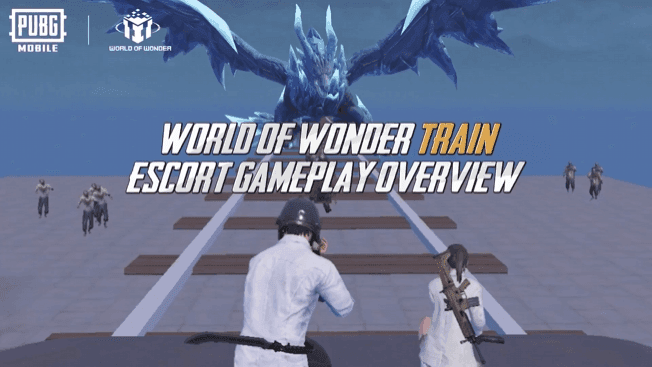
Each defense stage runs exactly 60 seconds at safehouse checkpoints. Sounds simple? Try coordinating four players under that kind of pressure while zombies swarm from multiple angles. It mirrors final circle intensity perfectly.
The whole thing culminates with an Ice Dragon boss that’ll freeze you solid if you’re not careful. Chilling breath attacks, targeted icicle rain – this thing demands coordinated focus-fire while maintaining smart positioning. The comeback mechanic carries unused tokens to your next attempt, so strategic learning actually pays off instead of punishing experimentation.
Accessing Creator Maps
Hit the ‘WOW’ tab from map selection – the interface organizes everything into Tournament modes, Mine and Home systems, Erangel mode maps, Arena battles, and PUBGM Jumping challenges. Map codes give you direct access (code 69477 leads to high-speed car-race parkour maps that’ll teach you vehicle control for those long rotations across Erangel).
The upcoming WOW Pass system rewards both players and creators through exclusive unlocks and progression tracking. Players earn rewards by actually engaging with maps, while creators get advanced tools and monetization through the integrated Gift System. Smart move by the developers – incentivizing quality content creation.
Top Creator Maps for Aim Training
Recoil Control Maps
Community recoil trainers offer something you can’t get in live matches – controlled environments for mastering weapon spray patterns without some third-party team ruining your practice session. These maps feature static and moving targets at various distances, perfect for practicing compensation techniques on the AKM, M416, and Beryl M762.
Advanced maps throw in shooting while moving, target transitions, and different attachment combinations. Because let’s be honest – standing still and spraying at a wall only gets you so far.
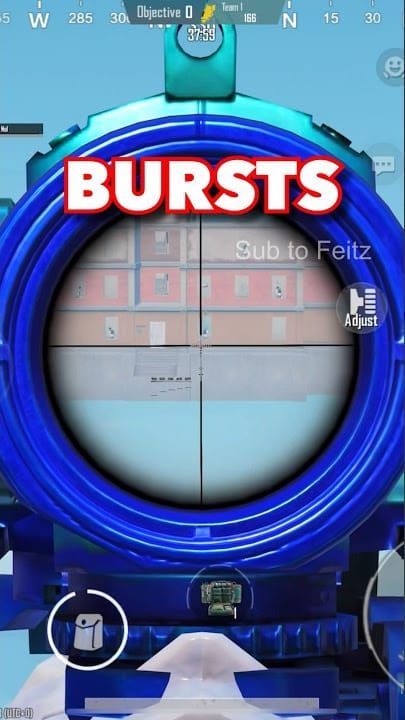
Effective training means 15-20 minute focused sessions targeting specific weapons. Practice both spray control and burst firing for different engagement ranges. Consistent training builds muscle memory that’s impossible to develop in standard matches where you’re too busy not dying to focus on technique.
Flick Shot Trainers
Flick shot maps challenge rapid target acquisition at random positions, simulating those split-second reactions when enemies peek unexpectedly around corners. The best trainers incorporate realistic movement patterns and timing intervals that mirror actual player behavior – not just static targets popping up like carnival games.
Advanced versions include pre-firing practice for anticipating enemy positions. This is where the skill gap really shows.
Consistent flick training improves reaction time by 15-25% within two weeks. The key? Maintaining crosshair placement at head level while developing peripheral vision awareness for target acquisition. Most players flick too much instead of positioning their crosshair properly in the first place.
Tracking Practice Maps
Tracking maps feature moving targets requiring sustained accuracy – crucial for following enemies during extended firefights. Maps include strafing targets, jumping opponents, and vehicles simulating various movement patterns. Professional-level maps incorporate realistic acceleration patterns, teaching movement prediction and target leading.
Here’s what works: 10-minute sessions focusing on smooth, consistent movement over speed. Prioritize accuracy over elimination speed to develop proper fundamentals. Too many players develop flicking habits that absolutely destroy their long-range effectiveness.
Movement and Positioning Training Maps
Peek Practice Maps
Jump or Die delivers fast-paced parkour sequences demanding precise timing and control. These maps challenge difficult jumps, wall climbs, and momentum-based maneuvers that translate directly to advanced positioning in Battle Royale. Training focuses on maintaining speed while changing direction – crucial for avoiding sniper fire and repositioning during firefights.
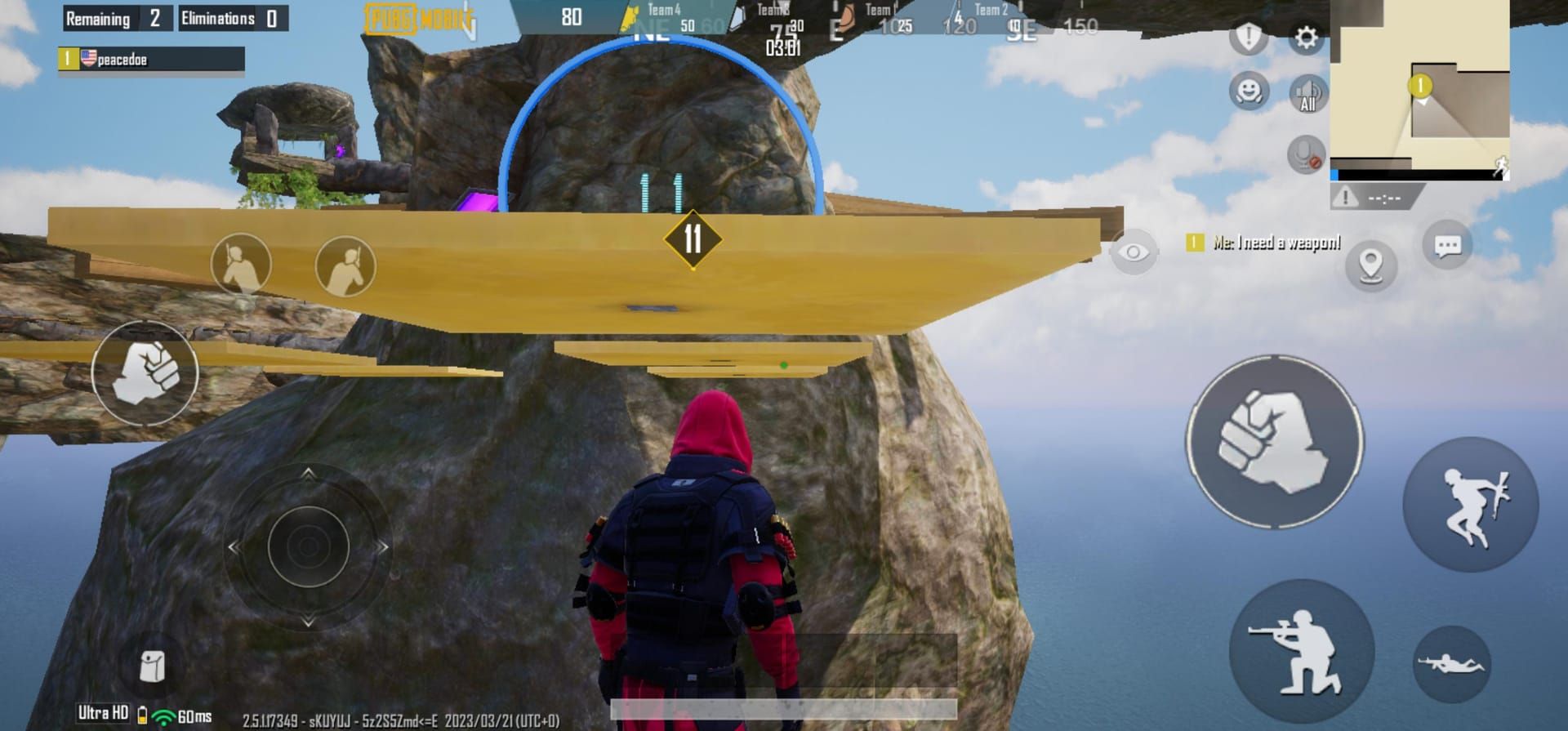
Regular parkour practice improves movement fluidity by 30-40%. You’ll navigate complex terrain like Pochinki without losing speed or exposing yourself unnecessarily to enemy fire. That’s the difference between surviving hot drops and becoming someone else’s kill count.
Jump Spot Trainers
Specialized maps recreate famous Battle Royale locations with enhanced difficulty, teaching challenging climbs to reach advantageous positions. We’re talking Erangel’s apartment buildings, Sanhok’s elevated compounds, and unique vantage points that provide serious tactical advantages.
Training emphasizes timing, positioning, and route optimization for reaching elevated positions during hot drops or rotations. Mastering jump spots provides significant ranked play advantages – most players simply can’t access these positions consistently. Height advantage often determines engagement outcomes, especially in final circles where positioning trumps raw aim.
Cover Usage Maps
Trap Park requires navigating deadly traps while choosing correct portals under pressure. Sounds gimmicky, but it trains situational awareness and quick decision-making when environmental hazards threaten survival. Maps teach identifying safe cover, understanding sight lines, and moving efficiently between positions without exposing yourself to multiple angles.
Effective cover usage training reduces damage taken per match by 20-35%. Players learn to minimize exposure time and choose optimal positioning for each engagement type. Simple concept, massive impact on survival rates.
Game Sense Development Maps
Zone Prediction Trainers
Advanced maps simulate zone mechanics with custom timing and positioning challenges, teaching circle movement prediction and efficient rotation planning. Maps feature realistic terrain with limited vehicle spawns, forcing strategic decisions about timing and route selection.
Training emphasizes reading terrain for optimal positioning and identifying dangerous choke points before they become death traps. Zone prediction training improves survival rates by 25-40% in ranked matches – developing foresight to avoid those unfavorable late-game positions that guarantee elimination.
Rotation Practice
Rotation-focused maps recreate scenarios requiring movement between safe zones while avoiding enemy teams and environmental hazards. Training covers vehicle usage, foot rotations, and hybrid approaches. Players learn when to prioritize speed versus stealth and identify safe corridors during contested rotations.
This stuff matters more than most players realize. Effective rotation practice reduces mid-game eliminations by 30-50%, developing game sense to avoid common rotation mistakes that lead to third-party eliminations. You know – those frustrating deaths where you get caught in the open because you moved too late or chose the wrong route.
Sound Positioning Maps
Audio training maps teach identifying enemy positions, movement patterns, and actions through sound cues alone. Maps feature complex multi-level structures where visual confirmation is limited, forcing reliance on audio information. Training develops ability to distinguish footstep types, weapon sounds, and environmental cues indicating enemy presence.
Sound positioning skills provide 15-20% improvement in reaction time during surprise encounters. You’ll start preparing before enemies become visible instead of reacting after they’ve already lined up their shots.
Squad Coordination Training
Team Communication Maps
Train Escort serves as the premier squad coordination trainer, requiring four players to assign roles and execute coordinated strategies under pressure. The mode teaches role-based play: train repair, mob clearing, explosive handling, and long-range damage dealing. Those 60-second defense phases create time pressure that mirrors final circle scenarios perfectly.
Teams practicing coordination show 40-60% improvement in squad survival rates. It develops communication habits and role clarity that’s essential for competitive play – stuff you simply can’t learn in random squad matches where nobody talks.
For serious squad improvement, maintaining premium access becomes crucial. PUBG UC recharge site BitTopup offers reliable service with instant delivery and competitive rates. Their secure platform ensures account safety while providing access to all WOW 1.0 premium content. No sketchy third-party sites required.
Revive Scenarios
Custom maps recreate high-pressure revive situations requiring coordinated cover fire, positioning, and timing to rescue downed teammates. Scenarios teach proper revive positioning, smoke usage, and team movement during vulnerable moments.
Training emphasizes communication during chaos while coordinating multiple actions under enemy pressure. Revive scenario practice improves team survival rates by 35-45% – developing coordination to recover from disadvantageous situations instead of watching your squad get wiped one by one.
Coordinated Push Practice
Advanced squad maps simulate building clearing, compound assaults, and coordinated pushes requiring precise timing and role execution. Scenarios teach entry techniques, angle clearing, and support positioning for successful team engagements. Training covers different push strategies for various building types and defensive setups.
Coordinated push training increases successful engagement rates by 30-50%. It develops synchronization to overwhelm defensive positions effectively instead of feeding kills one player at a time.

Weapon Mastery and Equipment Training
Weapon Switch Drills
Training maps focus on weapon switching speed and accuracy during transitions between primary and secondary weapons. Scenarios require rapid switching between weapon types while maintaining accuracy and positioning. Training emphasizes muscle memory development for switching, reload timing, and equipment management during combat.
Weapon switch training improves close-quarters effectiveness by 25-35%. You’ll respond quicker to changing engagement ranges and ammunition situations instead of getting caught reloading at the worst possible moment.
Grenade Practice Maps
Dedicated throwable training maps teach precise grenade placement, timing, and tactical usage for different scenarios. Maps feature realistic cover arrangements and target positioning mirroring common Battle Royale situations. Training covers cooking times, trajectory prediction, and bounce mechanics for different grenade types.
Most players treat grenades like afterthoughts. Grenade proficiency training increases elimination efficiency by 20-30%, developing skills to use utility items for tactical advantages instead of just panic-throwing them when things go wrong.
Attachment Testing
Comprehensive weapon testing maps allow experimentation with different attachment combinations and performance impact understanding. Controlled environments enable direct comparison between setups without live match variables interfering with your data.
Training teaches optimal attachment priorities for different engagement ranges and playstyles. Attachment knowledge improves weapon effectiveness by 15-25% – enabling loadout optimization for maximum performance in various scenarios instead of just slapping on whatever you find first.
Scenario-Based Training Maps
Hot Drop Simulators
Hot drop training maps recreate popular landing zones with realistic loot distribution and enemy positioning. Maps teach rapid looting techniques, early-game positioning, and quick decision-making under immediate pressure. Training emphasizes landing accuracy, loot prioritization, and early engagement strategies.
Hot drop practice improves early-game survival by 40-60%. You’ll develop skills and decision-making speed for high-action landing zones instead of hoping for the best and praying nobody else lands near you.
Final Circle Practice
End-game simulation maps recreate final circle pressure and positioning challenges with realistic terrain and cover options. Maps teach advanced positioning, timing, and resource management for late-game scenarios. Training covers different strategies based on zone positioning, available cover, and enemy locations.
This is where matches are won or lost. Final circle training increases win rates by 25-40%, developing positioning skills and tactical awareness for high-pressure end-game situations. Because raw aim only gets you so far when the circle’s tiny and everyone’s a decent player.
1v4 Clutch Scenarios
Clutch training maps create scenarios where solo players must eliminate full squads through superior positioning, timing, and tactical execution. Maps teach advanced solo play techniques and decision-making under extreme pressure.
Training emphasizes patience, positioning, and resource management when facing numerical disadvantages. Clutch scenario practice improves solo survival rates by 30-50% – developing skills to succeed when separated from teammates or facing overwhelming odds instead of just accepting defeat.
Creator Spotlight: Top Map Makers
Featured Creators
The WOW creator ecosystem rewards high-quality content through the Gift System and Create-to-Earn model. Players send in-game gifts that translate to real-world rewards for creators. This incentive structure produces professional-level map creators delivering training content that rivals commercial products.
Top creators focus on specific training niches, developing expertise in aim training, movement challenges, or tactical scenarios. The upcoming Profile Page customization system allows creators to showcase work with badges, featured maps, and creative achievements – helping players identify reliable sources for high-quality training content.
Smart system. Quality creators get rewarded, players get better content, everyone wins.
Map Quality Indicators
High-quality training maps share several characteristics: clear objectives, progressive difficulty scaling, realistic scenario design, and effective feedback systems. The best creators incorporate data-driven design principles, testing maps extensively and iterating based on player performance metrics.
Quality indicators include consistent frame rates, balanced challenge progression, realistic weapon behavior, and scenarios that accurately reflect Battle Royale conditions. Community ratings and creator reputation serve as reliable quality filters – the Gift System creates financial incentives for maintaining high standards and responding to player feedback.
Measuring Training Effectiveness
Progress Tracking
Effective training requires systematic progress measurement and goal setting. Establish baseline performance metrics before structured training, then track improvement through consistent testing. Key metrics include accuracy percentages, reaction times, movement efficiency, and scenario completion rates.
The upcoming creator tools will likely include built-in analytics and progress tracking features. Maps should provide detailed performance feedback and improvement recommendations instead of just throwing you into scenarios without context.
Skill Transfer to BR
Training effectiveness depends entirely on skill transfer to live Battle Royale matches. The most effective maps recreate realistic conditions, pressure levels, and decision-making requirements that mirror actual gameplay scenarios.
Test training progress regularly in ranked matches. Analyze performance improvements and identify areas needing additional focus. Successful skill transfer typically shows results within 1-2 weeks of consistent practice, with major improvements visible after 4-6 weeks of structured training routines.
Training Schedule Tips
Optimal schedules balance focused skill development with varied practice to prevent burnout. Most players benefit from 30-45 minute training sessions targeting specific skills before transitioning to live matches. Effective schedules rotate between aim training, movement practice, and tactical scenarios.
Here’s the truth: consistency produces better results than intensity. Regular short sessions outperform occasional marathon training periods every single time. Adjust schedules based on performance goals and available time commitments – but stick to whatever schedule you choose.
FAQ
How does Train Escort mode help improve BR skills? Requires four players defending a moving train through three escalating stages with 60-second defense phases. Players start with 100 tokens, assign specific roles: train repair, mob clearing, explosive handling, long-range damage. It trains squad coordination, resource management, role-based play, and combat under pressure.
Which community maps are best for movement training? Jump or Die excels at parkour-based movement with fast-paced sequences requiring precise timing. Trap Park trains situational awareness through deadly traps and portal choices. High-speed car-race parkour maps combine vehicular control with precision driving for vehicle rotation skills.
How effective is WOW training compared to standard practice mode? WOW creator maps offer dynamic, scenario-based training versus Training Mode’s static environment. It creates realistic pressure situations like Train Escort for squad coordination, movement challenges for positioning, and tactical scenarios for game sense development.
What’s the difference between WOW 1.0 and old Version 1.0 update? Old Game Version 1.0 launched September 8, 2020, overhauling base game graphics, UI, and gunplay. New WOW 1.0 refers to creative mode evolution from beta to full release with polished creator tools and developer content.